Residential Drain Cleaning Tacoma Services That Help Avoid Costly Plumbing Repairs

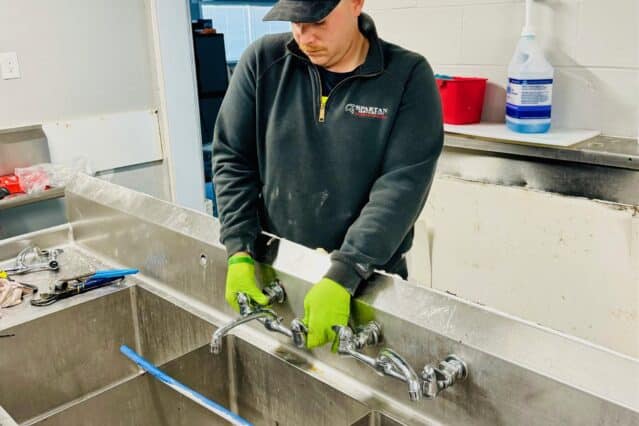
A slow kitchen sink rarely stays a small problem for long. What starts as a minor annoyance often turns into standing water, foul odors, gurgling fixtures, and eventually a service call that could have been simpler and cheaper a few months earlier. Homeowners in Tacoma see this pattern often, especially in older neighborhoods where original drain lines have years of grease, soap residue, hair, and mineral buildup working against them.
That is why Residential Drain Cleaning Tacoma services matter far beyond convenience. A properly cleaned drain does more than restore flow. It reduces pressure on the rest of the plumbing system, lowers the chance of backups, helps identify hidden damage earlier, and can spare a homeowner from emergency repairs that cost far more than routine maintenance.
Drain issues have a way of disguising themselves. A tub that drains slowly may look like an isolated clog near the surface. Sometimes it is. Other times, it is an early symptom of a branch line narrowing with buildup, or a main line beginning to struggle under roots, scale, or compacted waste. Good drain cleaning is not just about poking a hole through a blockage. Done well, it is about restoring the line and understanding why the problem started in the first place.
Why drain cleaning has such a direct effect on repair costs
Many plumbing repairs become expensive because damage compounds quietly. Water and waste move through drains by gravity, which means anything that narrows the pipe changes how the whole system behaves. Grease clings to interior pipe walls. Soap scum hardens. Hair catches debris. Food scraps settle in rough spots. In some Tacoma homes, older galvanized or cast iron piping creates even more opportunity for buildup because the inner surfaces are not as smooth as modern materials.
Once a line narrows, drainage slows. Slow drainage encourages more debris to stick. Then homeowners start reaching for chemical cleaners, plunging repeatedly, or simply living with the inconvenience. Those temporary fixes often mask the warning signs while the underlying restriction gets worse.
The repair bill climbs when a simple cleaning turns into one of these situations: wastewater backing up into a tub or basement drain, a toilet overflowing because the main line cannot carry discharge away fast enough, or a corroded section of pipe failing under the added stress of recurring blockages. Water damage, drywall removal, flooring replacement, and sanitation work usually cost far more than the drain service itself.
In practical terms, routine cleaning is affordable because it is controlled work. Emergency repairs are expensive because they happen on the plumbing system’s terms, not yours.
The local factors Tacoma homeowners deal with
Drain problems are never completely generic. The age of the home, the type of piping, the landscape around the property, and even daily habits all shape how often a drain needs attention.
Tacoma has a broad mix of housing stock. Some homes have relatively modern ABS or PVC drain lines that mainly struggle with everyday buildup. Others have older cast iron or galvanized components, where corrosion, scaling, and partial collapses become part of the equation. Mature trees are another factor. In established neighborhoods, root intrusion into underground sewer lines is not rare. Roots do not need a wide opening. A small crack or loose joint is enough to invite them in, and once they find moisture and nutrients, they expand.
The climate plays a role too. Long wet seasons can saturate soil and make underground line defects harder to ignore. If a sewer lateral already has weak joints or offsets, heavy moisture can aggravate surrounding conditions and expose symptoms faster. This does not mean every Tacoma home is destined for sewer trouble, but it does mean regular assessment and cleaning are often more valuable here than homeowners expect.
That is one reason the phrase Residential Drain Cleaning Tacoma is more than a search term. It points to a type of service that needs local judgment. A technician who works in Tacoma every week usually has a sharper feel for the kinds of line materials, root issues, and aging infrastructure common in the area.
What professional drain cleaning actually includes
Homeowners sometimes assume drain cleaning is the same no matter who performs it. It is not. There is a wide gap between clearing a blockage and properly cleaning a line.
A basic clog removal may restore flow for the moment. A more thorough service aims to remove the buildup coating the pipe walls, not just punch through a single point of obstruction. The tool choice matters. A hand auger might work for a bathroom sink trap close to the fixture. A motorized cable machine may be appropriate for heavier obstructions deeper in a branch line. Hydro jetting, where suitable for the pipe material and condition, can strip away grease, sludge, and soft debris much more completely.
Experience matters just as much as equipment. Not every line should be treated aggressively. Older pipes, brittle sections, or lines with existing defects may need a more cautious approach. Good plumbers do not just choose the most powerful tool. They choose the one that solves the problem without creating a new one.
When a problem keeps returning, camera inspection often becomes part of smart drain service. That is how recurring backups reveal their real causes: root masses, bellied pipe sections that hold water, grease accumulation in kitchen lines, or deterioration in older cast iron that reduces the effective pipe diameter.
The early signs homeowners should take seriously
Most costly plumbing failures do not appear without warning. The signs are often easy to dismiss because they seem minor or intermittent.
- Water draining slowly from one fixture, especially if it has worsened over weeks or months
- Gurgling noises from nearby drains or toilets after using sinks, tubs, or laundry equipment
- Unpleasant sewer or rotten organic odors near drains, even when water is still moving
- Repeated need for plunging or clog remover to keep the same fixture usable
- Water backing up in a lower fixture when a higher fixture is used
One slow drain by itself does not always mean a major issue. Hair in a shower drain is common and often straightforward. The concern rises when multiple fixtures begin showing symptoms, or when a fixture clogs again soon after a temporary fix. That pattern usually points to buildup farther down the system.
I have seen homeowners spend months treating a kitchen sink as if it were the whole problem, only to discover the Residential Drain Cleaning Tacoma branch line in the wall was packed with grease and food paste for several feet. By the time they called, the dishwasher discharge was starting to back up into the sink basin. The final repair was still manageable, but it could have remained a simple cleaning if addressed earlier.
Kitchen drains are often the real troublemakers
Bathrooms get the reputation for clogs, mostly because hair creates obvious slowdowns. In many homes, though, the kitchen drain causes the more stubborn and expensive issues.
Grease is the main reason. Even careful households sometimes rinse pans, strain sauces, or wash plates with oily residue. Hot water may carry that grease away temporarily, but once it cools inside the pipe, it thickens and sticks. Add soap residue and tiny food particles, and the line gradually narrows. Garbage disposals can make this worse when they encourage people to send fibrous or starchy scraps down the drain that really belong in the trash or compost.
A kitchen line that is 30 percent restricted may still seem usable. At 50 percent, the sink starts draining slowly and standing water becomes common. Push much beyond that and backups become increasingly likely, especially during heavy sink use or when a dishwasher pumps into the same line.
Cleaning these lines before they harden into severe restrictions can prevent much bigger interventions later. Once grease becomes dense and widespread, clearing it takes more time, better equipment, and sometimes repeated visits depending on the line’s condition.
Main line cleaning is where prevention pays off most
Fixture clogs are inconvenient. Main sewer line problems are disruptive and expensive.
When the main line is restricted, every drain in the home becomes vulnerable. Lower fixtures usually show symptoms first because gravity sends wastewater to the easiest point of relief. A basement floor drain, first-floor shower, or lower toilet may begin backing up when upper-floor plumbing is used. That is a warning nobody should ignore.
Roots are a common culprit in main lines, particularly in older properties with clay or aging concrete sewer components. Roots start fine and hairlike, then thicken over time. They catch paper and waste, turning a small intrusion into a serious obstruction. Repeated cabling may reopen the path temporarily, but if the roots return quickly, the line may need a more comprehensive cleaning and a camera inspection to determine whether repair or replacement is warranted.
This is where homeowners save the most by acting early. A scheduled cleaning and inspection might cost a fraction of what it takes to handle a sewage backup, sanitize affected areas, replace damaged flooring, and repair a compromised sewer lateral.
Why chemical drain cleaners often make things worse
Store-bought drain cleaners are appealing because they promise speed and low effort. In practice, they are often hard on plumbing and disappointing in results.
Many chemical products work best on soft organic matter near the fixture. They are far less effective against dense grease, larger obstructions, or partial main line clogs. Worse, they can sit in the trap or line and generate heat, which is not ideal for older piping or some plastic components. If the drain is completely blocked, the chemical may simply remain in the standing water, creating a hazard for anyone who later opens the line or snakes it.
There is also a behavioral problem. Chemical cleaners encourage delay. A homeowner pours in a product, gets a slight improvement, and assumes the issue is handled. Meanwhile, the underlying buildup remains and keeps growing.
Mechanical cleaning by a trained technician is usually safer for the system and more honest about the drain’s condition. If the line needs more than a simple clearing, that becomes obvious during service rather than months later during a backup.
How often should a home have drains cleaned?
There is no universal schedule, and anyone offering one without context is oversimplifying. A newer home with careful drain habits may go years between professional cleanings. A household with heavy kitchen use, long hair, older pipes, and mature trees over the sewer path may benefit from annual or biennial service.
Frequency depends on use patterns and history. A home that has never had a serious backup but shows occasional slow drainage may only need selective cleaning in problem areas. A home with a known root issue or a line that has backed up before often justifies preventive maintenance at regular intervals.
In real-world terms, once a drain has shown a repeat pattern, it deserves a plan. Repeat issues are rarely random. They are telling you something about the line’s design, condition, or day-to-day load.
Choosing the right service instead of the cheapest one
Drain cleaning is one of those services where bargain pricing can be misleading. The lowest advertised number may cover only a very basic attempt, not a complete solution. If the technician spends twenty minutes opening a small path through the blockage and leaves the pipe walls coated, the drain may work for a while and then Residential Drain Cleaning Tacoma fail again.
A better service call usually includes some judgment about the type of clog, the line affected, the condition of the piping, and whether the result is likely to last. In many cases, the most cost-effective visit is the one that takes a little longer and actually removes the problem.
Homeowners should ask sensible questions. Is the issue likely in a branch line or the main line? Is the pipe material a factor? Is camera inspection recommended if the clog returns? Is hydro jetting appropriate or too aggressive for this system? Those questions tend to reveal whether the company is thinking like a plumber or just selling a quick clear.
Tacoma homeowners, especially those in older homes, benefit from working with technicians who understand local housing stock and common line conditions. That familiarity often leads to faster diagnosis and fewer surprises.
Preventive habits that genuinely help
Homeowners cannot prevent every drain issue, but a few habits make a measurable difference over time.
- Keep grease, oil, and cooking fats out of the kitchen drain, even with hot water or a disposal
- Use simple drain screens in showers and tubs to catch hair before it enters the line
- Avoid flushing wipes, paper towels, hygiene products, and other non-dispersing materials
- Run plenty of water during and after disposal use, but treat the disposal as a convenience, not a trash can
- Address slow drainage early instead of waiting for a full blockage
These are not glamorous tips, but they work. Small changes reduce the organic load on the plumbing system and delay the buildup that eventually requires professional cleaning.
One caution, though: good habits are not a substitute for service when a line already has structural problems. If roots are entering the sewer or an older drain has heavy internal corrosion, careful use alone will not solve it. Good habits help preserve a healthy system. They do not reverse pipe defects.
The value of catching structural issues during drain service
One of the biggest advantages of professional drain cleaning is what it reveals. A recurring clog can be the symptom that exposes a more important problem. This is especially true in older homes where the drain system may have aged unevenly.
A camera inspection after cleaning can show whether the line is simply dirty or physically compromised. There is a meaningful difference between a pipe that needs periodic maintenance and one that has offsets, cracks, heavy corrosion, or a sag that holds wastewater. Without that distinction, homeowners tend to spend money repeatedly on temporary fixes.
That does not mean every drain issue requires a camera. Many straightforward clogs do not. But when the same problem returns, or when multiple drains are involved, seeing inside the line can prevent wasted money and repeated disruptions.
I have seen homeowners relieved to learn their recurring backup was “just roots” in an otherwise repairable line. I have also seen the opposite, where repeated drain cleaning bills were masking a partially collapsed section that eventually required excavation. The earlier that second case is identified, the more options the homeowner usually has.
When a slow drain is actually an urgent problem
Not every clog is an emergency, but some deserve same-day attention. If sewage is backing up into living space, if more than one fixture is affected at once, or if a lower-level drain overflows when other fixtures run, the risk of a main line issue is high. That is no longer a convenience problem. It is a sanitation and property-damage problem.
Likewise, if a drain issue follows recent rain, landscaping work, or signs of sinkage in the yard, underground line problems should be considered. Those clues do not diagnose the issue by themselves, but they raise the stakes.
Homeowners sometimes hesitate to call because the drain is still “kind of working.” That gray zone is where expensive problems grow. Plumbing systems often function poorly for a while before they fail clearly. Waiting for certainty can be the costly choice.
A practical way to think about drain cleaning
The smartest way to view drain cleaning is not as a reaction to inconvenience, but as a form of plumbing risk management. A healthy drain system protects more than sinks and tubs. It protects cabinets, flooring, wall cavities, subfloors, and the general livability of the home. It also protects the homeowner from emergency rates, lost time, and the stress that comes with a backup no one saw coming, even though the warning signs were there.
Residential Drain Cleaning Tacoma services are most valuable when they are used with good timing and good judgment. Call too late, and the job may involve cleanup, repair, and restoration. Call at the first clear signs of trouble, and the fix is often straightforward.
That is the real savings. Not just the cost of the drain cleaning itself, but the repairs it prevents.
Spartan Plumbing Services
Address: 760 107th St S, Tacoma, WA 98444
Phone number: +12534998773
FAQ About Residential Drain Cleaning Tacoma
How much does it cost to have someone clean your drains?
Professional drain cleaning costs between $147 and $352 on average, with most homeowners paying around $246. The final price is heavily determined by the type of drain affected, the clearing method needed, and your geographic location.
How much does it cost to clean a drain line?
Professional drain cleaning costs between $147 and $352 on average, with most standard residential jobs landing right around $246. However, your final bill can scale from $100 to over $800 depending entirely on which drain is clogged and the method required to clear it.
Is professional drain cleaning worth it?
Yes, professional drain cleaning is worth it because it clears deep buildup and prevents expensive plumbing emergencies.